Why Unsafe Fuse Pulling Is Becoming a Growing Problem in Renewables

Kevin Bird
May 30, 2026
•4 min read
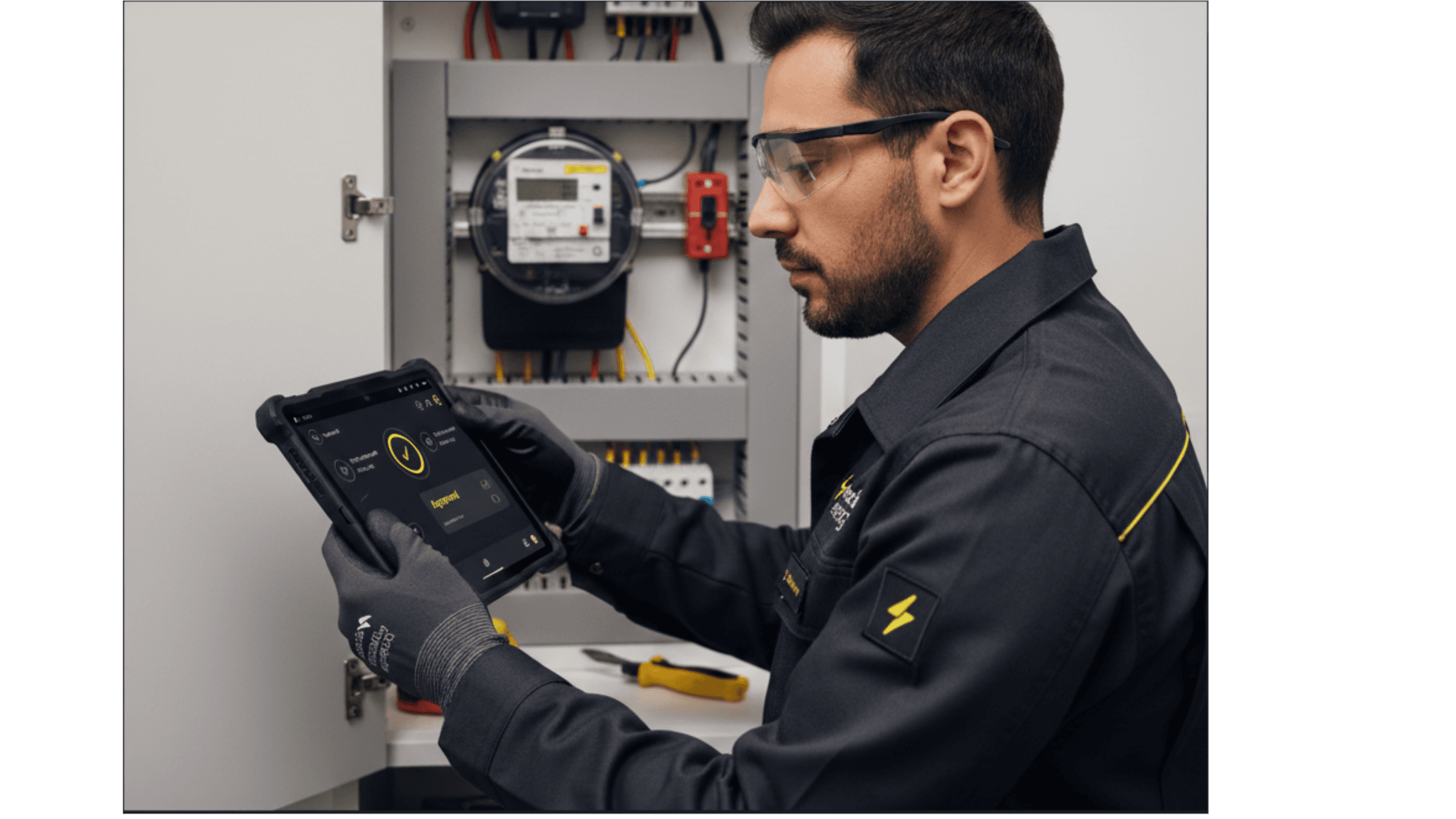
The rapid growth of renewable technologies is placing increasing pressure on installers to deliver projects quickly while maintaining compliance and safety standards.
But amid tight schedules and growing workloads, one dangerous practice is still happening far too often across the industry: electricians removing service cut-out fuses without the correct authorisation.
It may seem like a quick way to keep projects moving, but the reality is far more serious.
Why Pulling Fuses Without Authorisation Is So Dangerous
Safe isolation is not simply an administrative requirement. It is a critical safety procedure designed to protect engineers, customers, and properties from potentially fatal electrical incidents.
Removing and replacing service cut-out fuses, adjusting meter terminals, and re-energising supplies can only legally be carried out by authorised and competent organisations.
Yet as renewable installation volumes increase, some contractors are still taking shortcuts to avoid delays or reliance on third parties. The risks are significant.
Electric shock accounts for 57% of fatalities and 53% of serious injuries in major electrical incidents. One mistake during isolation or re-energisation can lead to catastrophic injury, prosecution, invalidated insurance, or even loss of life.
Safety is not optional.
At best, unauthorised fuse pulling could result in fines or enforcement action. At worst, it can end in fatal consequences for engineers and customers alike.
What Is SIP Accreditation?
Safe Isolation Provider (SIP) accreditation enables approved organisations to legally and safely carry out de-energisation and re-energisation works directly, without relying on supplier-appointed meter operatives.
This includes:
- Removing and replacing service cut-out fuses
- Carrying out compliant isolation procedures
- Managing reconnection works safely
- Notifying suppliers and DNOs correctly
- Creating fully auditable compliance records
SIP accreditation ensures engineers are properly trained, competent and authorised to perform this work safely and legally.
As renewable deployment scales nationally, SIP capability is becoming increasingly important for contractors looking to maintain operational control while remaining fully compliant.
The Growing Pressure on Renewable Installers
Renewable projects now often involve multiple parties, complex scheduling and increasing compliance demands. Waiting for third-party attendance for isolation and reconnection can introduce delays, additional costs and operational bottlenecks.
That pressure is one of the reasons unsafe workarounds have started to appear across the sector. However, bypassing proper authorisation is not the answer.
The industry needs safer, more transparent delivery models that allow projects to move quickly without compromising compliance or accountability.
Shocking Energy’s UK Wide Install Isolator Network
To help solve this challenge, Shocking Energy has launched a nationwide Install Isolator Network connecting businesses with verified SIP accredited installers across the UK.
The network has been designed specifically to help businesses:
- Complete jobs faster
- Work safely and compliantly
- Reduce reliance on third parties
- Improve scheduling certainty
- Access trusted, audit ready delivery
Rather than relying on unverified subcontracting or risky umbrella arrangements, businesses can access fully accredited installers authorised to undertake safe isolation works legally and professionally.
A Safer Future for Renewable Installations
As the UK continues its transition towards electrification and renewable energy, safe isolation will only become more important.
The industry cannot afford shortcuts when dealing with electrical safety. Compliance, training, operational visibility and accountability must remain central to how renewable infrastructure is delivered.
Shocking Energy’s Install Isolator Network has been created to support exactly that: helping businesses deliver renewable projects safely, compliantly and without unnecessary delays.
No shortcuts. No unsafe workarounds. Just compliant, audit ready delivery.
Ready to streamline renewable projects?
Share this article
Related Articles
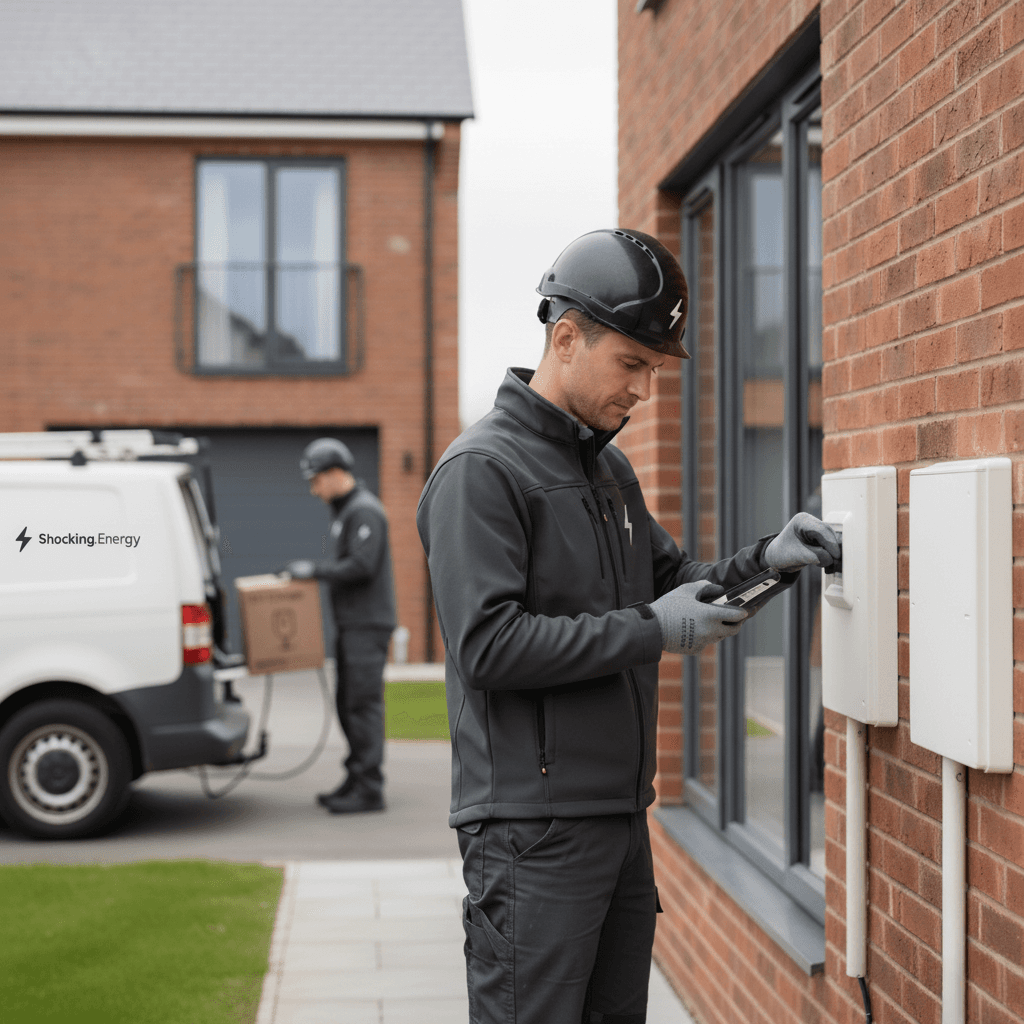
The New Standard for Electrical Safety: From Compliance to Proof
Electrical safety is moving from assumed compliance to demonstrable proof. See how connected workflows, digital evidence and JobWay help contractors create clear, audit-ready safety records.

How Crystal Electronics Unlocked EV Scale with SIP
Read how Crystal Electronics scaled EV installations nationwide by embedding SIP accreditation into operations - unlocking faster delivery, full compliance, and complete control over every project, while supporting the rollout of EV charge point infrastructure and wider renewable programmes.
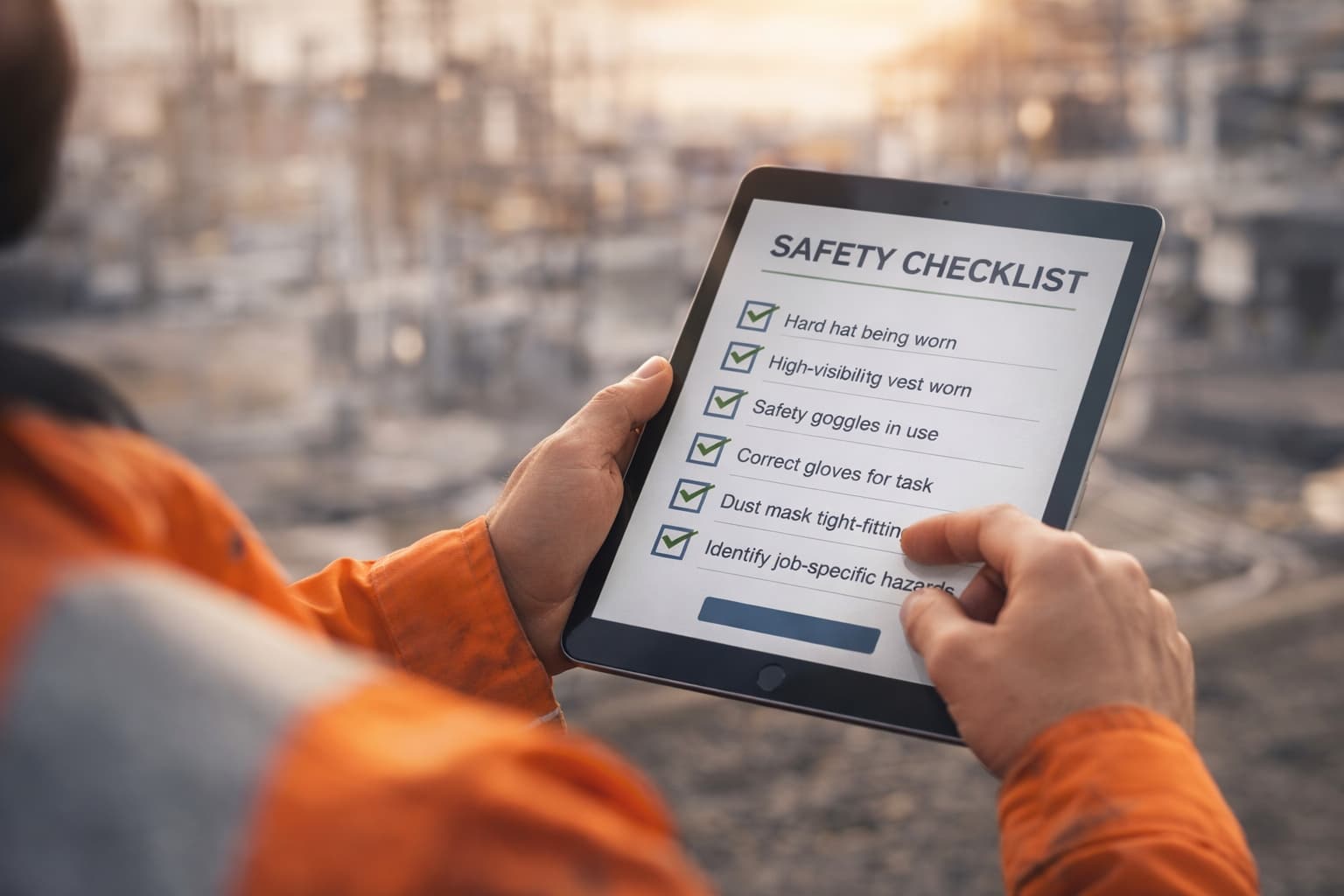
Using AI to Improve RAMS: 7 Practical Approaches
Creating Risk Assessments and Method Statements does not need to stay stuck in a copy, edit, chase, and repeat cycle. Here are seven practical ways AI can improve your RAMS process without replacing competent review.